news
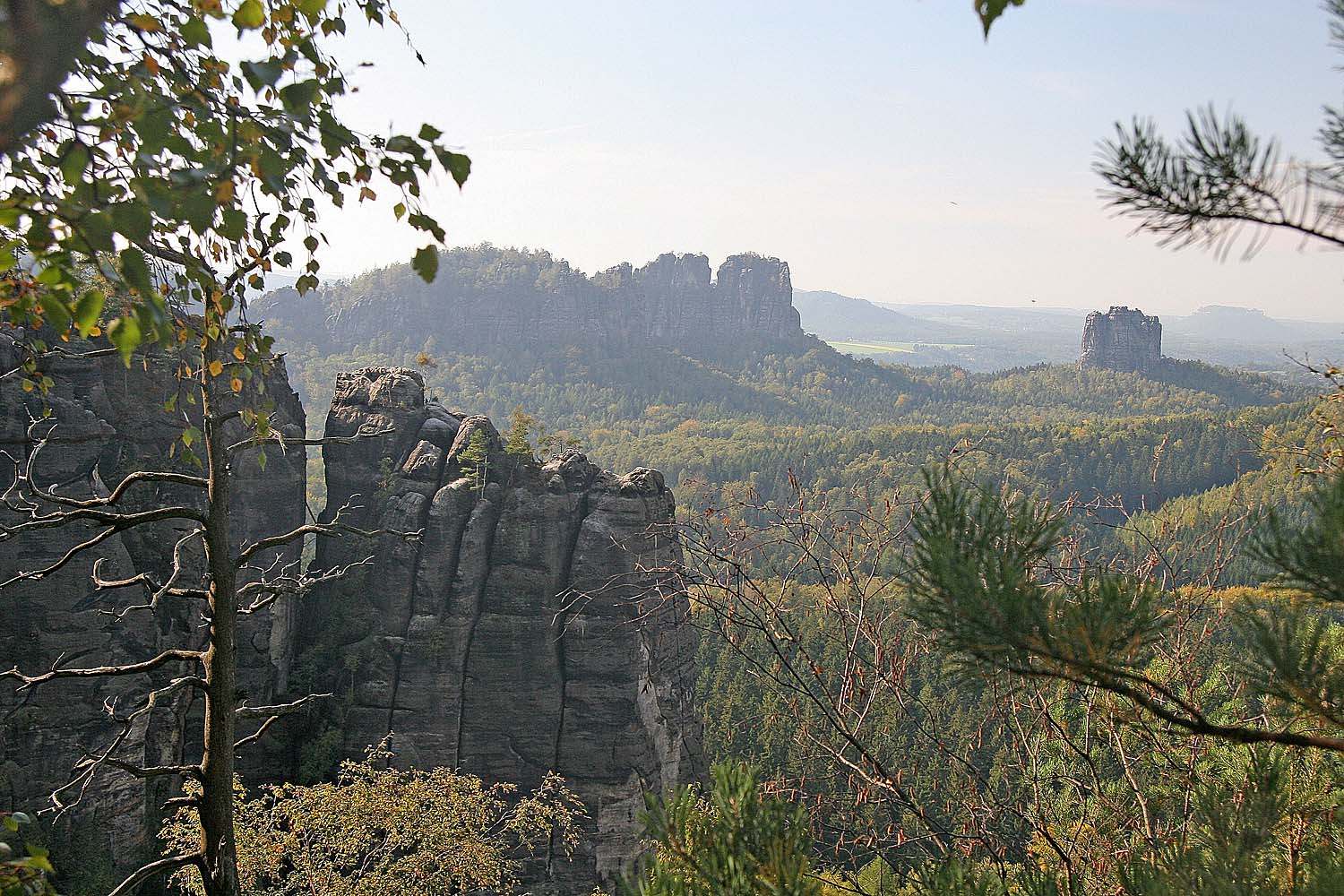
Welcome to Saxon Switzerland National Park
5.th national park in Germany joins Digitize the Planet.

5.th national park in Germany joins Digitize the Planet.
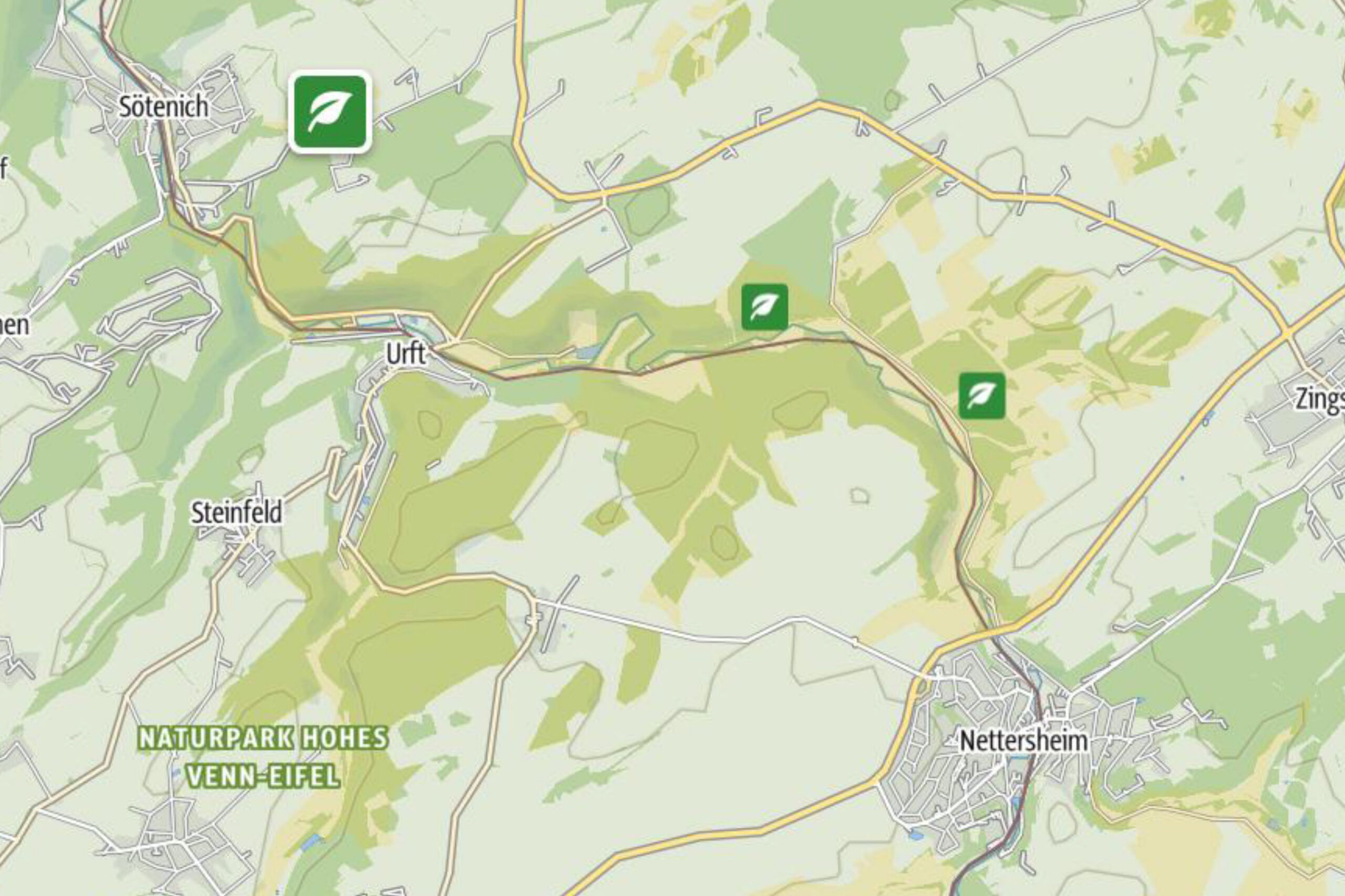
The North Rhine-Westphalia Foundation for Nature Conservation, Local History, and Cultural Preservation provided €20,000 in funding for this project.
Membership in Digitize the Planet e. V. benefits organizations from a wide range of sectors. Contribute your ideas, interests, and expertise to help create a conflict-free and environmentally friendly coexistence. Become part of an important and far-reaching project for the future of outdoor sports, nature conservation, and tourism. The following organizations and individuals are already members: Protected Areas Authorities Sports Association Nature Conversation Association Outdoor Platforms Mapping Services TourismDestination Outdoor-Industry Forest CorporationsSupporters David Wewetzer Peter Berg Alexander Dingeldey Stefan Zschernig Susanne Groos Manuel Steinbauer
Our team implements the mission of Digitize the Planet e. V. in their daily work by creating a responsible relationship with nature through open, standardized, and internationally digitized rules, conservation purposes, and other environmental protection information.
The five-member board is composed of representatives from nature conservation, tourism, outdoor sports, and tour portals. This gives the association a broad range of expertise, a deep understanding of stakeholders’ needs, and strong networking capabilities. During the 6th General Assembly in June 2026, the board was elected for 2 two years Registered Office Mailing Address Digitize the Planet e.V.Kreuzbergstraße 20 10965 BerlinMail: mail@digitizetheplanet.org Tel: +49 151 1542 0423 Mathias Behrens-Egge Chairperson Nature sports and outdoor activities are increasingly guided by digital information: digital mapping services, offerings from travel destinations and organizers, tour portals, recommendations, or community input. To avoid complete confusion, it is urgently necessary to structure this data in a customer-oriented way. To prevent conflicts, valid regulations (e.g., access rights, detours, seasonal offerings) should naturally be taken into account. For this, information about these regulations must be readily available. I see a need for action here and am pleased that the association is tackling this issue in a structured and consistent manner. Mathias Behrens-Egge studied Landscape and Open Space Planning with a focus on Tourism Economics and Regional Development at the University of Hanover (Dipl. Ing.). He is the founder and Managing Partner of BTE since 1989 and has also been a guest lecturer on “Tourism Economics for Planners” at Leibniz University Hanover since 2009. At BTE, he leads the company’s departments for Active and Nature Tourism and Regional Development. His work also focuses on destination development and facilitation. Since the founding of Digitize the Planet, he has been actively involved . He contriin the boardbutes primarily his experience in tourism and destination development, as well as in active tourism. Dr. Neele Larondelle VICe Chairperson The digital management of visitors is an increasingly challenging task for the administrative bodies of National Natural Landscapes. Rising visitor numbers and the wide variety of
Initial situation – requirement Due to the increasing challenges in the area of “trails” for destinations, landowners, trail managers, etc., there is a need to find solutions. The proliferation of tours through closed or private areas, the increase in outdoor sports tourism and nature conservation make the question of a digital solution more urgent than ever. In order for there to be a unified approach, it is necessary to bring all stakeholders together and make joint decisions. In the search for a solution, 3 round tables were held on the topic of “Visitor guidance for destinations – analog and digital”. Participation was deliberately kept open to all interested parties. 1.Round Table – 18.09.2018 I Immenstadt Topics Visitor guidance and quality managementSigns are important as basic quality as well as visitor guidance to avoid conflicts. Solution: Visitors can be guided along the customer journey by using data. Internationalization and common standardsBasic standards at European level would be helpful, which are consistent across countries as well as analogue and digital. Stimulus for platforms to manage community pathsDevelopment of criteria and rules on how paths can be created online by the community. Results protocol 2.Round Table – 06.03.2019 I Berlin Topics Framework conditionsConsideration of current conflicts of use and possible solutions in relation to the dimensions “space and players” and “evaluation and values”. Product qualityRules are also content, which must be presented with a source. Good content must be created professionally and be open data. Data qualityHeterogeneous quality and quantity of official data as well as missing data or data that cannot be used digitally. OpenStreetMap offers good data in the area, but this does not comply with the jointly agreed rules. ConclusionNeed to draw up a code of conduct for individual activities with instructions and recommendations for sustainable and respectful interaction with
Vision “All nature conservation information for leisure-related outdoor activities is available everywhere in context” Our long-term goal is a harmonious coexistence of people and nature, supported by digital knowledge that is available anytime and anywhere. The standardized integration of nature conservation information into tour portals, outdoor apps, navigation services and maps is intended to promote nature conservation-compliant behavior, relieve sensitive areas and avoid conflicts. Mision “We compile all recreation-related nature conservation information worldwide and create a global data set (open data) that contains all information about the protected assets. We support all stakeholders in using this data.” In this way, we want to raise awareness of nature-friendly behavior on the one hand and promote digital activity management on the other.Our short-term goal is to link as many outdoor apps, tour portals and navigation services as possible to our database. This will enable outdoor enthusiasts to view and take into account all relevant nature conservation regulations both at home when planning their route and on site. In the medium term, we want to establish an international network of stakeholders from nature conservation, tourism, sport and industry in order to create common standards for nature conservation. We form the basis for outdoor activities that comply with nature conservation regulations. Digital nature protection! Digitize the Planet e. V. (DtP) makes a significant contribution to ensuring that nature conservation is understandable and digitally accessible for everyone. As an independent interface between protected areas on the one hand and outdoor portals, tourism and sports associations and outdoor companies on the other, we provide the platform that transforms complex regulations into digital, clear, standardized information. Our platform brings standardized data on protected areas, laws, rules, local agreements and codes of conduct to where outdoor enthusiasts need it most – their preferred digital applications such as tour
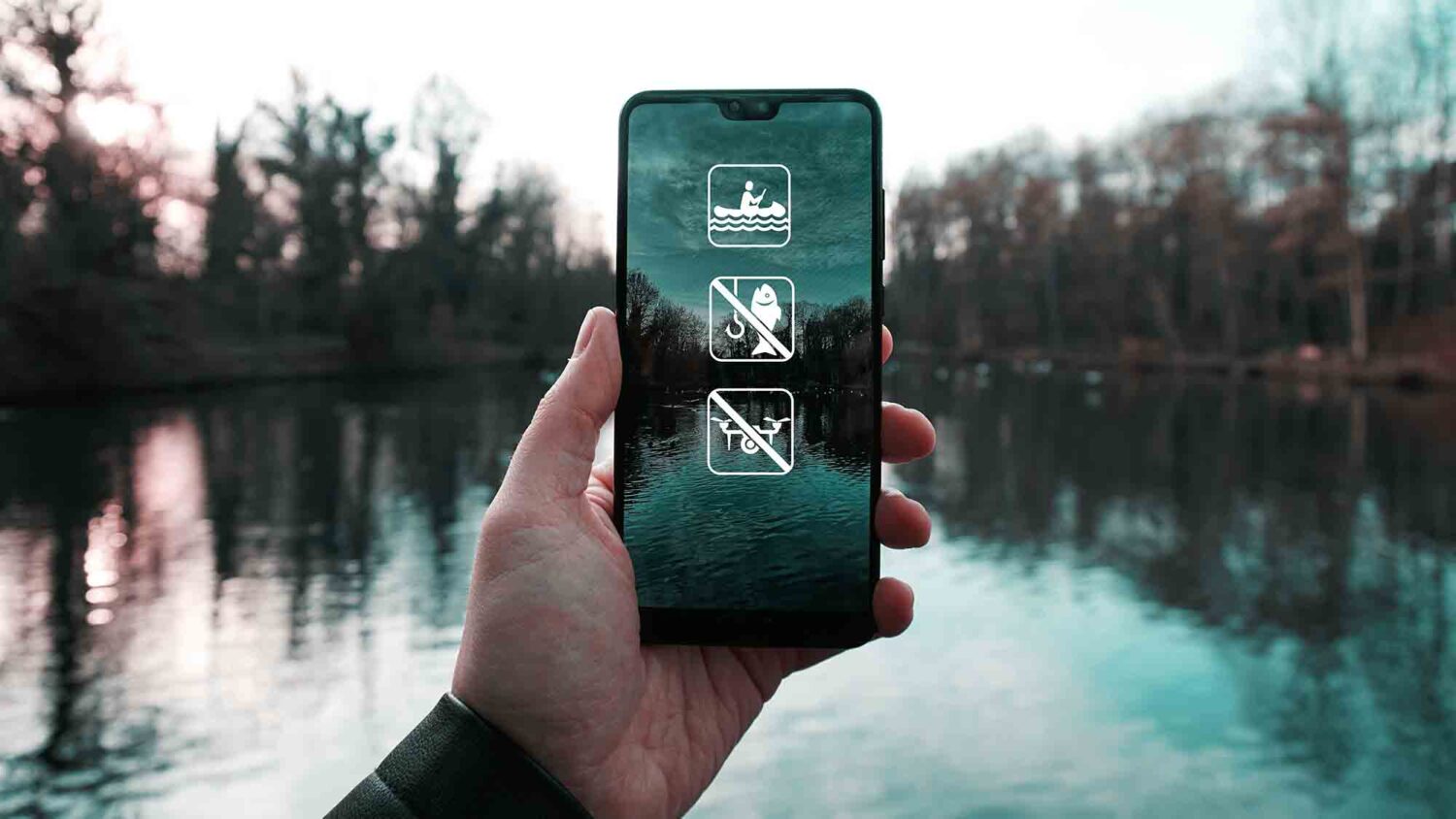
Dive into an inspiring international exchange on current projects, collaborations, and digital processes in digital nature conservation.

Our new API offers data for conservation purposes from the areas of fauna, flora, and habitat for the first time.